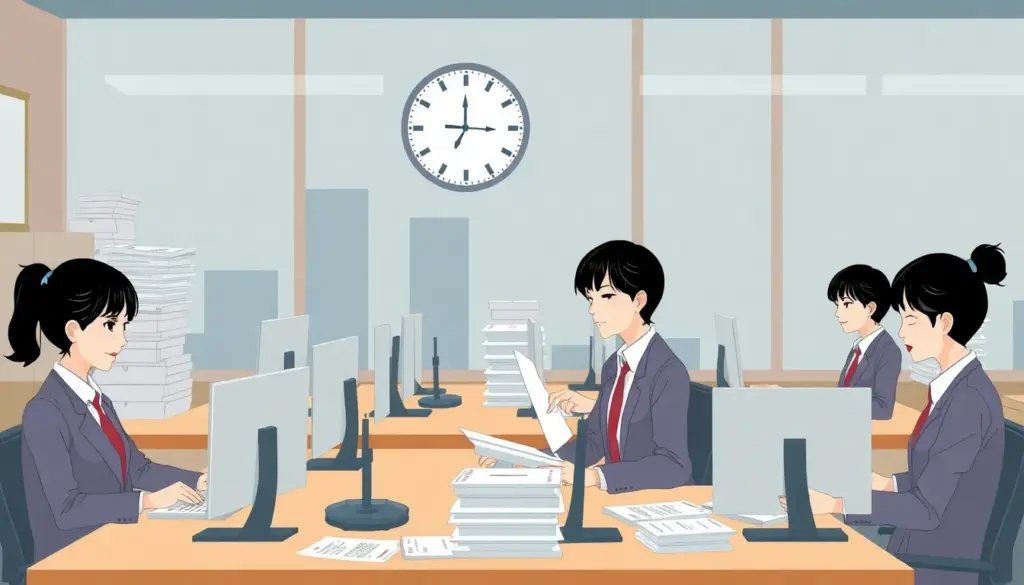
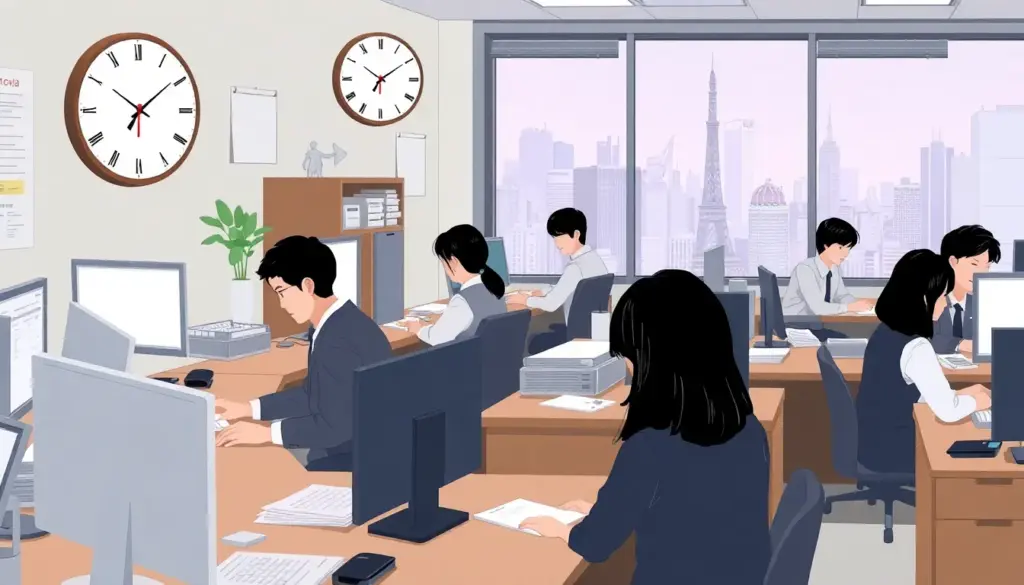
In the land of the rising sun, where cherry blossoms bloom and sushi rolls reign supreme, there’s a hidden struggle lurking beneath the surface: work-life balance. Japan’s work culture is legendary for its dedication and long hours, but what happens when the pursuit of success starts to feel like a never-ending game of whack-a-mole? Spoiler alert: burnout is not a trendy accessory.
Japan Work Life Balance
Japan’s work-life balance reflects a complex intersection of cultural expectations and economic realities. Employees in Japan often find themselves navigating demanding work hours, with averages reaching 1,644 hours per year, significantly higher than the OECD average of 1,687 hours. The prevailing norm encourages long hours, leading to a culture where consistent overtime is routine and common.
Burnout emerges as a significant consequence of this structure, with 20% of workers reporting symptoms of depression linked to excessive workloads. Stress levels compress personal time, leaving minimal room for leisure, family engagements, or self-care. Many employees struggle to achieve a healthy balance amid societal pressures that prioritize dedication to work over personal well-being.
Legislation, such as the Act on the Improvement of Labor Management, aims to mitigate excessive working hours by proposing limits on overtime. Nevertheless, enforcement remains a challenge, as companies often resist substantial changes in their operational culture. Collective efforts toward improving work-life balance exist, yet tangible alterations within corporate environments are gradual.
Organizations that adopt flexible working practices see positive results. Implementing remote work options or flexible hours allows employees to manage their professional and personal responsibilities more effectively. Notably, companies that prioritize employee wellness report enhanced productivity and lower turnover rates.
As conversations surrounding mental health gain traction, many individuals advocate for a shift in Japan’s rigid work culture. Efforts to promote work-life balance continue to develop, reflecting a growing recognition of its importance for long-term success within the workforce.
Cultural Expectations in Japan
Cultural expectations significantly influence work-life balance in Japan. The pursuit of success drives many employees to prioritize work over personal life.
The Role of Society
Society emphasizes dedication and loyalty to one’s employer. This mindset leads to long working hours, often at the expense of family time and leisure activities. Cultural expectations demand that employees show commitment through presenteeism, fostering an environment where taking leave is often viewed negatively. Workers frequently adhere to social norms, reflecting the importance of harmony and teamwork. According to the OECD, 1,644 working hours per year highlights the pervasive culture of extensive hours. Consequently, many employees experience high stress levels, with 20% exhibiting symptoms of depression.
Business Norms and Practices
Business norms in Japan foster rigorous work routines. Companies typically enforce strict hierarchical structures that discourage open communication about workload challenges. Routine overtime remains a standard expectation, further compounding burnout risks. Flexibility in work practices, such as remote work, is gradually gaining acceptance. Organizations that embrace such changes report enhanced productivity and lower turnover rates. Despite legislative tools like the Act on the Improvement of Labor Management, enforcement issues hinder progress toward a healthier work-life balance. As awareness of mental health issues grows, companies begin to feel pressure to adapt their business practices accordingly.
Impact of Work Life Balance on Employees
Work-life balance significantly affects employees in Japan, impacting their mental health and family dynamics.
Mental Health Considerations
High stress levels arise from the demanding work culture. Stress manifests in various ways, and statistics show that 20% of workers experience symptoms of depression due to excessive workloads. Employees often feel overwhelmed, leading to burnout and decreased productivity. Marginalizing personal time contributes to deteriorating mental health as individuals struggle to cope with relentless pressures. Work-related anxiety decreases quality of life by hindering enjoyment of leisure activities. Organizations can foster better mental health through supportive policies, including mental health days and flexible hours.
Family Dynamics
Family relationships suffer when work takes precedence over personal life. Long hours keep employees away from home, limiting quality time with family members. Children may miss out on important milestones due to parents’ work commitments. Stress from work frequently spills into home life, impacting emotional connections and communication. Increased time spent working leads to diminished family support systems and strained bonds. Companies that promote work-life balance cultivate a more supportive environment for employees, allowing for stronger family relationships and greater overall well-being.
Government Initiatives and Policies
The Japanese government is taking proactive steps to improve work-life balance through various initiatives and policies.
New Labor Laws
Recent labor laws aim to address excessive working hours. The Work Style Reform Act, introduced in 2019, sets specific limits on overtime work, capping it at 45 hours per month and 360 hours per year. This regulation promotes healthier work environments by incentivizing companies to monitor their employees’ hours. More businesses are beginning to adopt measures that encourage taking paid leave, which helps combat presenteeism. Compliance remains an issue, however, as many companies resist changes that affect traditional work practices. Despite these challenges, early reports indicate improvements in mental health among employees, demonstrating the potential positive impact of these laws.
Work Style Reform
Work Style Reform represents a significant cultural shift in Japan’s approach to employment. This initiative encourages flexible working arrangements, including telecommuting and staggered hours. Many organizations now explore options that prioritize employee well-being alongside productivity. Increased awareness of mental health issues contributes to this movement, as companies recognize the benefits of creating supportive work environments. Flexibility in work hours and locations has led to increased job satisfaction among employees. Case studies reveal that businesses implementing these reforms experience lower turnover rates and improved team morale, illustrating the effectiveness of this approach.
Strategies for Improving Work Life Balance
Organizations can adopt various strategies to enhance work-life balance for employees. Emphasizing flexible work arrangements can be beneficial. Flexibility allows employees to manage their schedules more effectively, reducing stress levels. For example, companies can implement staggered hours or encourage part-time roles, accommodating individual needs. This approach has proven effective in retaining talent, with businesses noting increased job satisfaction and reduced turnover.
Technology plays a vital role in facilitating remote work. Remote work options empower employees to work from home, thus eliminating lengthy commutes. By leveraging collaborative tools and video conferencing, teams can maintain productivity while enjoying the freedom of working in a comfortable environment. Recent studies show that organizations embracing remote work models reported lower burnout rates and enhanced employee morale. Adopting these technological solutions helps create a supportive atmosphere that prioritizes mental health.