Nailing the final interview is like trying to land a plane after a thrilling flight—it’s the moment of truth. After weeks of applications and interviews, this is the grand finale where candidates can either soar to new heights or crash and burn. With the stakes high, it’s crucial to bring your A-game and charm the socks off your future employer.
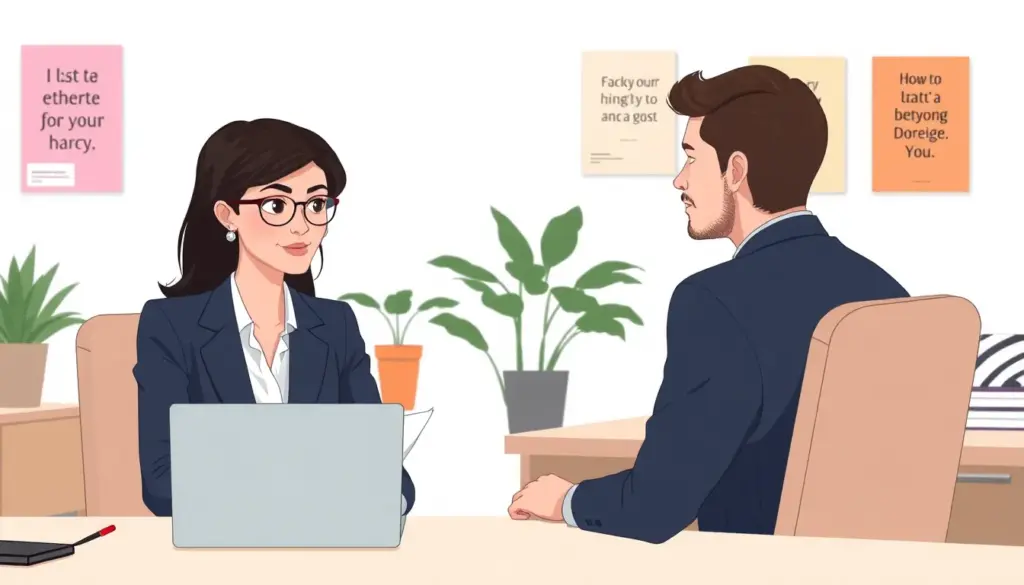
Picture this: you’re sitting across from the hiring manager, and it feels like a scene from a romantic comedy. You’ve got the skills, the experience, and the passion, but how do you seal the deal? Fear not! With the right tips in your back pocket, you’ll strut into that interview like a confident peacock, ready to dazzle. Let’s dive into some essential final interview tips that’ll help turn that dream job into reality.
Final Interview Tips
The final interview represents a pivotal juncture in the job application process. Candidates often face senior management or executives, making this stage crucial for both parties.
Preparation remains key to success. Researching the company culture, recent achievements, and industry trends helps candidates tailor their responses effectively. Practicing common interview questions is also beneficial, ensuring that candidates express themselves clearly and confidently.
Expect the interview to delve deeper into previous experiences. Interviewers typically explore how past actions align with the company’s values. It’s essential for candidates to connect specific examples that highlight relevant skills.
Being aware of body language cannot be overstated. Candidates should maintain eye contact and adopt an open posture, which portrays confidence and engagement. Additionally, showcasing enthusiasm for the role boosts the overall impression.
Questions candidates pose can leave lasting impacts. They should focus on inquiries that reflect genuine interest in the position and the company. Topics might include team dynamics, growth opportunities, or upcoming projects.
Follow-up communications after the interview also play an important role. Sending a thank-you note expresses appreciation and reinforces interest in the position. Candidates who articulate their excitement for the opportunity often stand out in the minds of interviewers.
Understanding the stakes and preparing adequately helps candidates navigate the final interview effectively. This stage decides whether they move forward with the hiring process or explore other options. Each interaction should reinforce candidates’ qualifications and passion for the role.
Preparing for the Final Interview
Preparation plays a crucial role in succeeding at the final interview. Candidates should actively engage in thorough research and review to make a lasting impression.
Researching the Company
Understanding the company is essential for candidates. Focus on its mission, values, and culture to align responses. Candidates can start by visiting the website and exploring recent news or updates. Social media channels often provide insights into the company’s image and community engagement. Reading employee reviews helps candidates gauge the workplace environment. Familiarity with the organization’s products or services enhances discussions during the interview. Knowing industry trends also demonstrates a candidate’s proactive approach and genuine interest.
Reviewing Common Questions
Preparation involves anticipating common interview questions. Candidates benefit from identifying typical queries, such as those about strengths, weaknesses, and past experiences. Practicing answers ensures clarity and confidence when responding. Role-playing with a friend can simulate the interview experience. Review specific examples that demonstrate relevant skills and achievements. Understanding the STAR method is beneficial for structuring responses effectively. Preparing thoughtful questions to ask the interviewer illustrates interest and engagement. Practicing these elements helps candidates articulate their qualifications with confidence during the interview.
Effective Communication Strategies
Effective communication plays a vital role during the final interview. Candidates must convey confidence and authenticity.
Body Language Tips
Eye contact establishes connection and conveys confidence. Maintaining an open posture invites engagement. Smiling creates a friendly atmosphere, while nodding shows understanding. Avoid crossing arms, as it can appear defensive. Leaning slightly forward signals interest in the conversation. Practicing these body language tips can enhance overall presence during the interview. Awareness of non-verbal cues greatly influences how candidates are perceived.
Articulating Your Value
Articulating value requires clear examples and alignment with company goals. Highlight specific achievements that demonstrate relevant skills. Use the STAR method to structure responses effectively, showcasing situation, task, action, and result. Tailor answers to the company’s core values to enhance relevance. Prepare concise narratives that showcase problem-solving abilities and adaptability. Candidates can communicate their unique contributions effectively by focusing on measurable impacts and aligning them with business objectives.
Following Up After the Interview
Following up after an interview demonstrates professionalism and interest. Candidates should send a thank-you note within 24 hours. This message should express gratitude for the opportunity and reinforce enthusiasm for the position. Personalizing the note by mentioning specific topics discussed during the interview enhances its impact.
Sending a follow-up email can also serve as a gentle reminder. Candidates can inquire about the hiring timeline or next steps in this email. Highlighting interest in the role and appreciation for the interviewer’s time reaffirms commitment to the opportunity.
Keeping the follow-up concise is important. A brief message that reiterates key points discussed during the interview can refresh the interviewer’s memory. This approach helps candidates remain top of mind amidst many applicants.
Candidates should ensure proper formatting and professionalism in all communications. Errors in spelling or grammar may lead to negative impressions. Polished and well-crafted messages reflect attention to detail and effort.
Timing for follow-ups matters too. Sending a follow-up email too soon might seem eager, while waiting too long may suggest a lack of interest. A period of one week typically serves as an appropriate timeframe before reaching out again if no response received.
Following up is not just about reiterating interest; it’s also about building relationships. Staying in touch, even after the interview process, can demonstrate long-term interest in the company. Engaging with company updates on platforms like LinkedIn keeps candidates visible to potential employers.
Effective follow-up strategies enhance candidates’ chances of making a lasting impression after the interview.
Conclusion
Excelling in the final interview can significantly impact a candidate’s career trajectory. By thoroughly preparing and showcasing their unique value, candidates can leave a lasting impression on hiring managers. Engaging in research and practicing responses not only boosts confidence but also aligns their experiences with the company’s vision.
Effective communication and thoughtful follow-up are essential components that reinforce enthusiasm and professionalism. A well-crafted thank-you note can set candidates apart, demonstrating their commitment to the opportunity. With the right strategies in place, candidates can navigate this crucial stage with poise and clarity, paving the way for future success.