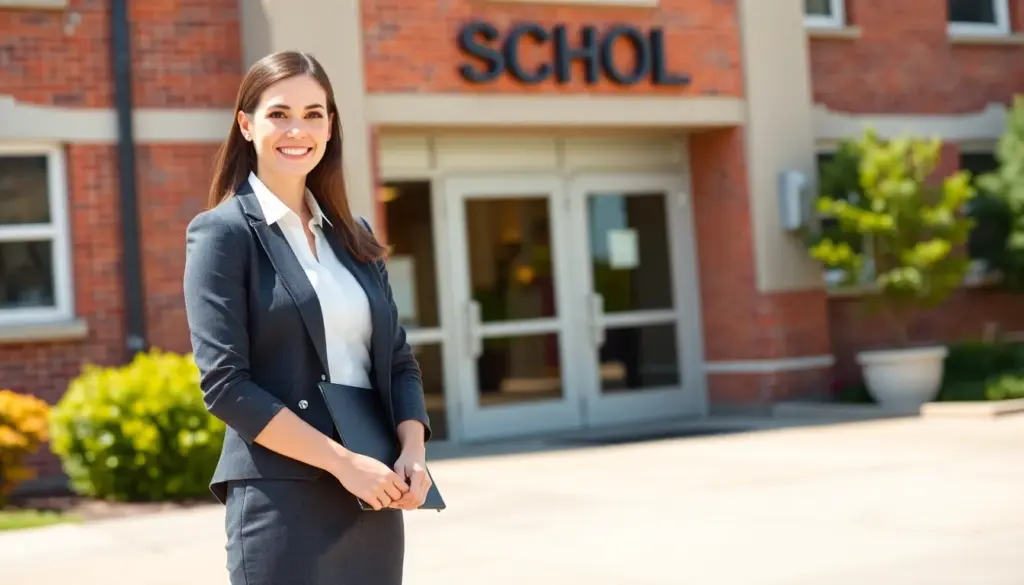
Nailing a teacher interview can feel like trying to solve a Rubik’s Cube blindfolded. With the right tips in hand, though, it’s more like a walk in the park—if that park had a few less squirrels and a lot more supportive colleagues. Whether you’re a seasoned educator or just stepping into the classroom for the first time, knowing how to showcase your skills and personality can make all the difference.
Teacher Interview Tips
Teacher interviews require a focused approach to ensure candidates effectively showcase their skills and personality. Preparation plays a crucial role in navigating this process successfully.
Importance of Preparation
Preparation significantly increases the chances of success in a teacher interview. Candidates should research the school’s mission and values, as alignment with these fosters rapport. Practicing responses to common questions allows for smoother delivery and reduces anxiety. Gathering materials, such as lesson plans and teaching philosophy statements, can provide concrete examples when discussing expertise. Familiarity with recent educational trends also equips candidates for informed discussions, demonstrating commitment to ongoing professional development.
Overview of Common Questions
Common questions in teacher interviews often focus on classroom management, teaching philosophy, and student engagement strategies. Interviewers commonly ask about handling challenging behaviors; responses should include specific techniques and experiences. Questions regarding collaborative efforts or professional development initiatives frequently arise, allowing candidates to highlight their teamwork skills. Additionally, inquiries about integrating technology in the classroom provide opportunities to showcase innovative methods. Preparing for these topics ensures candidates present well-rounded responses that reflect their qualifications and dedication.
Essential Teacher Interview Tips
Preparation is key for a successful teacher interview. Candidates should focus on specific strategies to demonstrate their qualifications and fit for the school environment.
Research the School and District
Understanding the school’s mission and values helps candidates connect with interviewers. Investigating recent accomplishments, initiatives, or challenges within the district showcases genuine interest. Visiting the school website and reviewing their social media pages provides insights into the culture. Inquiring about the school community and the needs of its students during the interview can also establish rapport. Demonstrating knowledge of the school’s programs and objectives allows candidates to align their responses to the institution’s goals.
Dress Professionally and Appropriately
Making a positive first impression starts with professional attire. Dressing in business casual or formal clothing sets a respectful tone for the interview. Candidates should choose outfits that reflect the school’s environment while maintaining professionalism. Ensuring clothes fit well and are clean indicates attention to detail. Grooming and personal hygiene also play crucial roles in overall presentation. Dressing appropriately for the occasion helps candidates feel more confident and poised during the interview process.
Answering Common Interview Questions
Interviewers often ask questions to understand a candidate’s teaching philosophy and classroom management strategies. Preparing thoughtful responses can demonstrate competence and fit for the role.
Highlighting Teaching Philosophy
Discussing a teaching philosophy requires clarity. Candidates should articulate their beliefs about education’s role in student learning and development. Mentioning specific methods used, such as project-based learning or differentiated instruction, helps illustrate these beliefs. It’s important to connect personal experiences that shaped this philosophy. Providing examples of how these philosophies manifest in the classroom makes responses more impactful. Tailoring the philosophy to align with the school’s mission shows genuine interest and understanding.
Discussing Classroom Management Strategies
Effective classroom management is critical for a successful teaching environment. Candidates should outline specific techniques used to maintain a positive atmosphere. Techniques can range from establishing clear rules to implementing positive reinforcement strategies. Discussing how to engage students and prevent disruptions reflects proactive planning. Sharing real-life anecdotes that showcase successful management strategies can enhance credibility. Candidates can also mention how they adapt techniques based on student needs, highlighting flexibility and responsiveness in their approach.
Demonstrating Skills and Experience
Demonstrating skills and experience during a teacher interview requires strategic presentation. Candidates should effectively illustrate their qualifications through specific examples.
Providing Examples from Past Experiences
Presenting past experiences showcases a candidate’s practical skills. Select examples that highlight significant achievements, such as improving student engagement or implementing innovative teaching methods. Tailor each story to align with the school’s values and mission where possible. For instance, discussing successful project-based learning initiatives can demonstrate the ability to foster collaboration and critical thinking. Sharing challenges faced and lessons learned adds depth to responses, illustrating resilience and adaptability. The goal is to connect personal journeys to the role, giving interviewers insight into how candidates navigate real classroom situations.
Utilizing Lesson Plans and Teaching Materials
Effective lesson plans and teaching materials enhance a candidate’s presentation. Bring examples that demonstrate a range of teaching strategies and adaptability to different learning styles. Including materials like worksheets, assessments, and multimedia resources can provide tangible evidence of instructional capabilities. Discuss how these materials align with curriculum standards and engage students. Candidates should also explain how they incorporate feedback and assessment data to refine their approaches, showing a commitment to continuous improvement. These practical illustrations not only validate teaching skills but also emphasize a candidate’s preparedness for the role.
Following Up After the Interview
Sending a thank-you note promptly after the interview reflects professionalism and appreciation. A candidate should ensure they reach out within 24 to 48 hours. Personalizing the message strengthens connection with the interviewer.
Reinforcing specific points discussed during the interview adds value to the follow-up. Mentioning a particular topic or question demonstrates active listening and genuine interest. Candidates might also highlight how their skills align with the school’s goals.
Expressing enthusiasm for the position, when stated clearly, can leave a positive impression. Candidates can express eagerness about contributing to the school community, which illustrates commitment. Keeping the message concise and focused makes communication more effective.
Inquiring about the next steps in the hiring process shows proactive engagement. Clear questions about timelines or further evaluations prompt timely responses from the interviewers. Such inquiries also indicate careful consideration of the opportunity.
Maintaining ongoing communication is beneficial, especially if a candidate has not heard back within the indicated timeframe. A gentle follow-up inquiry can demonstrate continued interest while reinforcing the candidate’s strong qualifications. Establishing this line of communication allows candidates to remain on the interviewer’s radar.
Following up after the interview significantly impacts the hiring process. A well-crafted follow-up message can enhance the candidate’s chances of being remembered positively. It reinforces the candidate’s strengths and maintains a professional rapport with the school.
Conclusion
Mastering the teacher interview process requires a blend of preparation and confidence. By understanding the school’s mission and values candidates can create a genuine connection with interviewers. Practicing responses and showcasing specific examples of past successes enhances credibility and demonstrates a commitment to education.
Dressing professionally and following up with a personalized thank-you note further solidifies a candidate’s professionalism. These strategies not only improve the chances of landing the position but also reflect a candidate’s dedication to the teaching profession. With these tips in hand aspiring educators can navigate interviews with greater ease and confidence.